X2y2 is a planned AI-powered yield pivot after its NFT marketplace sunset
AI-powered permissionless yield protocol planned after its NFT marketplace shutdown, with legacy smart contracts remaining usable.
X2y2 is a planned AI-powered, permissionless yield direction that followed the shutdown of its NFT marketplace on April 30, 2025. The former Ethereum NFT trading venue ended its marketplace front end after a three-year run, while its smart contracts remained usable on-chain. The new angle is narrower than NFT listings: using artificial intelligence to support decentralized yield access that aims to hold relevance across market cycles.
The important change is the shift in center of gravity. The project no longer revolves around floor prices, collection pages, listings, royalties, or marketplace share. Its public message moved toward yield, automation, and AI-assisted crypto infrastructure. That gives returning users two separate things to understand: the legacy marketplace layer that ended, and the future yield concept that the team said it was building after the shutdown.
The April 2025 shutdown changed the user journey
The marketplace sunset was announced on March 31, 2025, with a one-month path to a complete platform shutdown on April 30, 2025. The team framed it as a full stop for the NFT marketplace, not a temporary pause. That matters because users looking for the old trading interface, collection discovery, bidding flow, and listing management are dealing with a closed product rather than a slow maintenance mode.
Smart contracts remaining live creates a different kind of access. Contract-level interaction belongs to the blockchain layer, so legacy positions and contract calls do not disappear just because the hosted marketplace ended. The experience is more technical, though, because a public front end had previously organized actions into a familiar NFT marketplace workflow. Anyone dealing with old activity needs to think in terms of wallets, transaction history, contract approvals, and on-chain records.
From NFT order books to permissionless yield
During its marketplace years, X2y2 competed in a category shaped by liquidity, user attention, creator royalties, wash-trading concerns, aggregator routing, and collection-level network effects. The new yield direction points at a different problem: how crypto users allocate assets into return-seeking strategies without relying on a centralized gatekeeper. Permissionless yield means open participation through smart contracts rather than a closed account system.
AI enters that idea as a coordination layer. In a yield product, automated analysis has practical roles: reading market conditions, ranking strategy inputs, detecting abnormal changes, and helping route capital through rules set by the protocol. The public details are still thinner than the marketplace history, so the useful lens is not a finished product review. It is a map of what the pivot promises to emphasize: decentralized access, data-driven strategy selection, and crypto-native yield infrastructure.
What the old marketplace record says about execution
The marketplace reached meaningful scale before the shutdown. The team reported an all-time trading volume of $5.6 billion and described a peak position as the second-largest NFT marketplace behind OpenSea. That history does not prove success in AI-driven yield, because the product category is different, but it does show the team operated consumer crypto infrastructure through both NFT expansion and contraction.
That record also explains why the pivot is framed as a response to market structure rather than a simple rebrand. NFT marketplace competition depends heavily on network effects: sellers list where buyers search, buyers search where inventory sits, and aggregators push volume toward venues with depth. Once trading volume across NFTs shrank sharply from the 2021 peak, the economics of maintaining a marketplace became harder to defend.
The token question after the NFT chapter closed
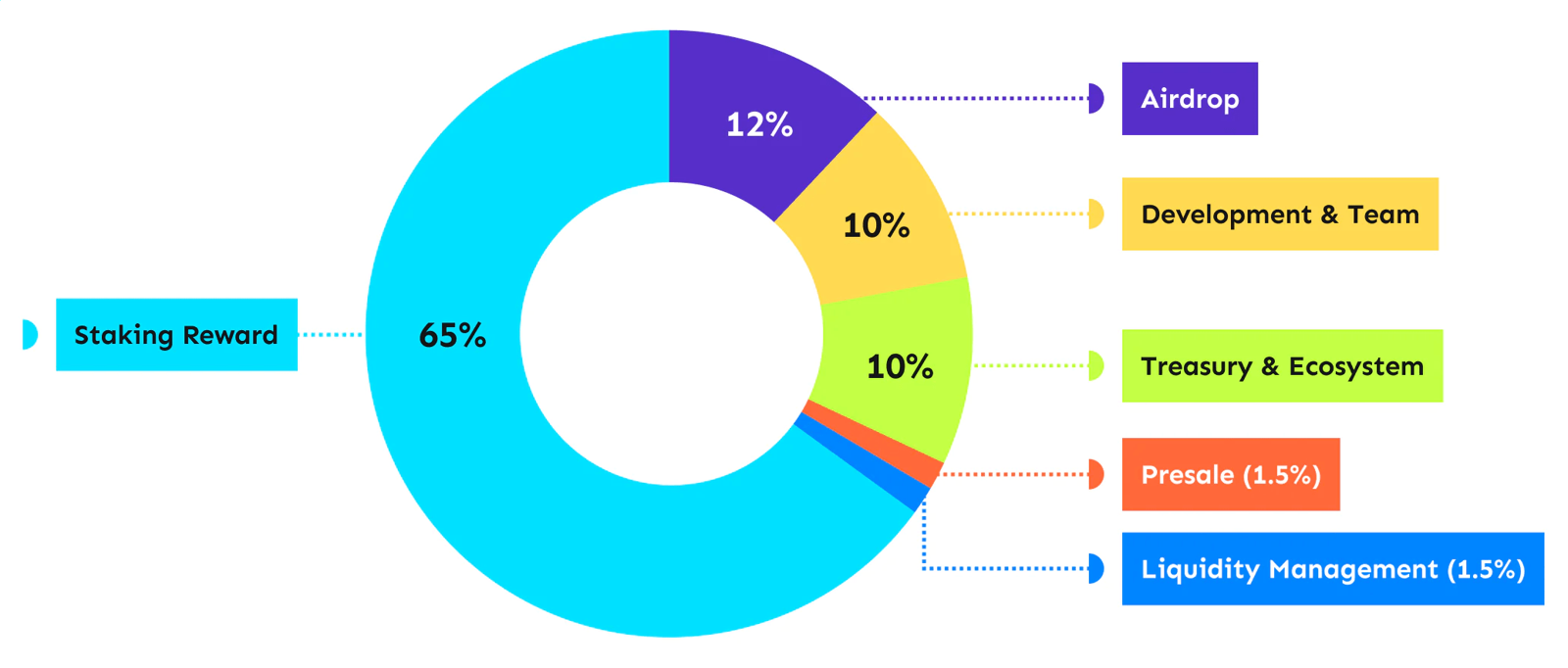
The X2Y2 token was tied to the original NFT marketplace vision, so the shutdown directly changed the story around token utility and expectations. A token connected to marketplace fees, rewards, governance narratives, or trading activity loses a clear reference point when the marketplace itself ends. That is why the team's shutdown message treated token impact as a real concern rather than a side issue.
For users evaluating the pivot, token mechanics deserve separation from product ambition. A future yield protocol needs explicit details about roles, incentives, governance, emissions, fee capture, and risk routing before the token story becomes concrete again. Until those mechanics are published and active, the token represents exposure to a project in transition, not a simple continuation of the old NFT venue.
How legacy smart contract access differs from the closed interface
The closed marketplace front end once packaged actions into visible buttons and status screens. Contract access is lower level. It relies on wallet tooling, blockchain explorers, transaction parameters, and the user's understanding of what a contract function does. That distinction is central for anyone who listed NFTs, approved collections, traded through aggregators, or wants to inspect historical activity.
There are several legacy areas worth understanding before touching old positions:
- Wallet approvals granted to marketplace contracts remain part of wallet history.
- Completed NFT trades continue to exist as Ethereum transaction records.
- Listings tied to a discontinued interface require contract-level interpretation.
- Aggregator routes from the marketplace era belong to each transaction's on-chain path.
- Token balances and transfers remain separate from the old marketplace website.
A short caution belongs here: interacting directly with contracts leaves less room for interface guardrails, so the exact function, wallet address, and asset approval matter before signing.
Where AI matters in a yield protocol
AI in crypto yield is useful only when it improves decisions that smart contracts and human dashboards handle poorly on their own. A permissionless strategy environment produces constant signals: liquidity depth, rate movement, collateral stress, reward changes, bridge conditions, liquidation pressure, oracle updates, and gas costs. AI systems process those signals faster than manual monitoring and present structured outputs for allocation rules.
For X2y2, the credible promise is not magic yield. It is a better operating layer around decentralized strategies. If the system ranks risk-adjusted opportunities, flags strategy drift, and helps automate movement between pools or protocols under transparent rules, AI becomes part of the execution fabric rather than a marketing label. The quality of that design will depend on disclosures about models, data inputs, contracts, and human control.
Using the pivot as a research workflow
A practical reader should split research into three tracks. First, review the shutdown timeline and understand that the NFT marketplace era ended in 2025. Second, map any personal history with the old contracts, including approvals, trades, and token balances. Third, follow the new yield work as a separate protocol launch with its own contracts, documentation, incentives, audits, and live risk parameters.
This approach keeps the past from blurring into the future. Marketplace volume, old rankings, and NFT community memory explain why the project is known, while the next product must stand on concrete yield mechanics. X2y2 earned recognition as an NFT marketplace; the AI-powered yield plan needs evidence through shipped infrastructure, transparent strategy design, and real usage after launch.
Alternatives users naturally compare in this category
The old marketplace competed with OpenSea, Blur, LooksRare, and NFT aggregators that routed orders across venues. The new direction belongs closer to DeFi yield infrastructure, where users compare strategy vaults, lending markets, liquid staking, restaking systems, and portfolio automation tools. That changes the competitive frame from collection liquidity to capital allocation.
Different alternatives solve different problems. A lending protocol prices borrowing and supplying through pools. A vault product packages a strategy into shares. A restaking system routes staked assets toward additional security markets. An AI-assisted permissionless yield protocol, as described by the X2y2 team, would need to show how its intelligence layer selects or manages opportunities better than a plain rules-based vault.
What to watch as the new product takes shape
The next meaningful updates are product-specific, not slogan-specific. Users need contract addresses, supported assets, strategy descriptions, fee logic, withdrawal rules, risk controls, and the role of the existing token if it carries forward. Details about how AI influences allocation also matter: recommendations, automated execution, risk scoring, or governance support are very different designs.
The strongest signal will be a working system where users see how assets move, how returns accrue, how losses are handled, and how decisions are recorded. X2y2 has already closed the marketplace chapter; the new chapter starts when the permissionless yield product gives users a clear mechanism to inspect and use.
Common questions about X2y2
Does the old X2y2 marketplace still process NFT trades?
The marketplace front end shut down on April 30, 2025, so the old hosted trading experience no longer functions as an active NFT venue. The underlying smart contracts remained on-chain, which means historical records and contract-level interactions still exist. That is different from normal marketplace use, because users no longer have the same listing, buying, and browsing interface wrapped around those contracts.
Can the X2Y2 token keep a role in the AI yield pivot?
The token's future role depends on the mechanics the team publishes for the new yield protocol. During the marketplace era, the token was connected to the NFT trading vision, so the shutdown changed its context. A new role would need clear details around governance, fees, incentives, staking, or protocol access before users can judge how it fits the next product.
Which users are most affected by the shutdown?
The shutdown matters most for people who used the old NFT marketplace directly: sellers with past listings, traders with wallet approvals, token holders following the marketplace thesis, and users who relied on the interface for collection activity. People who only tracked the project from a distance mainly need to understand that the active focus moved away from NFT trading and toward a planned yield protocol.
Is the AI-powered yield product already the same as the old marketplace?
No. The AI-powered yield direction is a separate product path from the discontinued NFT marketplace. The old venue handled NFT listings, bids, and trading activity. The new plan centers on permissionless yield, which belongs closer to DeFi strategy infrastructure. Users should treat it as a new launch path that requires its own contracts, rules, supported assets, and risk disclosures.
How should I compare this pivot with DeFi vault products?
Compare the concrete mechanics rather than the category name. A DeFi vault usually pools assets into a defined strategy and issues shares or accounting claims. The planned X2y2 direction points toward AI-assisted yield selection in a permissionless environment. The meaningful comparison is whether the new system discloses strategy inputs, execution rules, fees, withdrawals, and risk controls more clearly than standard vault designs.