X2y2 marketplace is a shuttered NFT trading venue with live contracts
Shuttered NFT trading platform for listing and buying digital collectibles, with smart contracts left live after April 30, 2025
X2y2 marketplace is a shuttered NFT trading platform that closed its marketplace interface on April 30, 2025, after three years of NFT listings, bids, and collectible sales. Its smart contracts remain live on-chain, so users who understand contract interaction still have a route to manage relevant positions, approvals, and settlement history. The shutdown marked a final end to the marketplace chapter, while the team pointed toward a new AI-and-crypto direction.
The April 2025 shutdown changed the product, not the chain history
The most important fact is the split between a web marketplace and blockchain records. X2y2 marketplace stopped operating as an active NFT venue, but its previous trades, token approvals, and contract events did not disappear. Those records were written to public blockchains, where wallet addresses, collection contracts, transaction hashes, and settlement events remain visible through block explorers and portfolio tools.
That distinction matters because an NFT marketplace is partly an interface and partly a set of smart contracts. The interface helped users search collections, create listings, accept offers, and see market data. The contracts handled the rules that moved NFTs and payments between wallets. After the shutdown, the convenient browsing and trading experience ended, while the deployed contracts continued to exist as blockchain code.
What the marketplace was built to do during the NFT boom
During its active period, it served Ethereum NFT traders who wanted a decentralized venue for digital collectibles. Sellers listed NFTs, buyers placed orders, and wallets signed transactions instead of handing custody to a centralized account. The X2Y2 token was tied to the marketplace vision, and the project built its identity around community participation, liquidity, and competing for marketplace share.
The project launched its beta on February 6, 2022, near the high-energy period when profile-picture collections, gaming assets, art drops, and royalty debates dominated NFT trading. The team later described the platform as having reached second place behind OpenSea by trading volume at its peak and cited $5.6 billion in all-time volume. Those figures explain why its shutdown drew attention: this was not a minor experimental storefront, but a once-prominent marketplace that rode a major cycle.
How listings and wallet approvals worked before sunset
A typical trade began with a connected wallet. A seller chose an NFT, set a price or accepted an offer, and signed an order that authorized the marketplace contract to transfer that specific asset under the order terms. A buyer supplied payment, most commonly in ETH or wrapped ETH depending on the order format, and the contract completed the exchange when the order matched.
Wallet approvals sat underneath that flow. An NFT owner granted a marketplace contract permission to move a token or a collection on the owner's behalf. That made trading smoother, but it also meant old approvals remained worth reviewing after the front end disappeared. If a user no longer plans to interact with the contracts, revoking unused approvals reduces unnecessary exposure without changing ownership of the NFT itself.
Why network effects decided the marketplace business
NFT venues depend on buyers and sellers arriving in the same place at the same time. When collections have active bids, clear floor prices, and enough sellers, users keep returning because trades clear quickly. When liquidity scatters, the experience weakens: sellers wait longer, buyers compare across venues, and aggregators route attention elsewhere.
X2y2 marketplace faced that reality after NFT trading volume fell sharply from the 2021 peak. Lower market-wide demand made it harder for any standalone venue to hold attention against OpenSea, Blur, aggregators, and collection-specific channels. The project framed the closure as a full stop rather than a temporary pause, which gave users a clear date and avoided presenting an inactive product as a live market.
What users still need after the front end closed
Anyone who previously traded there has a few practical tasks left. These are about account hygiene and records, not chasing new marketplace activity.
- Review old NFT approvals connected to marketplace contracts.
- Save transaction hashes for purchases, sales, bids, and transfers.
- Check wallet histories for tax records, cost basis, and proceeds.
- Confirm that NFTs still appear in the wallet or chosen portfolio viewer.
- Use block explorers to inspect contract events when a marketplace page is gone.
This is also the right moment to separate collection ownership from marketplace membership. Owning an NFT bought through X2y2 marketplace means the token sits in the holder's wallet according to its collection contract. The closed trading interface does not erase that ownership record. It only removes one former route for listing or buying.
The X2Y2 token and the end of the original thesis
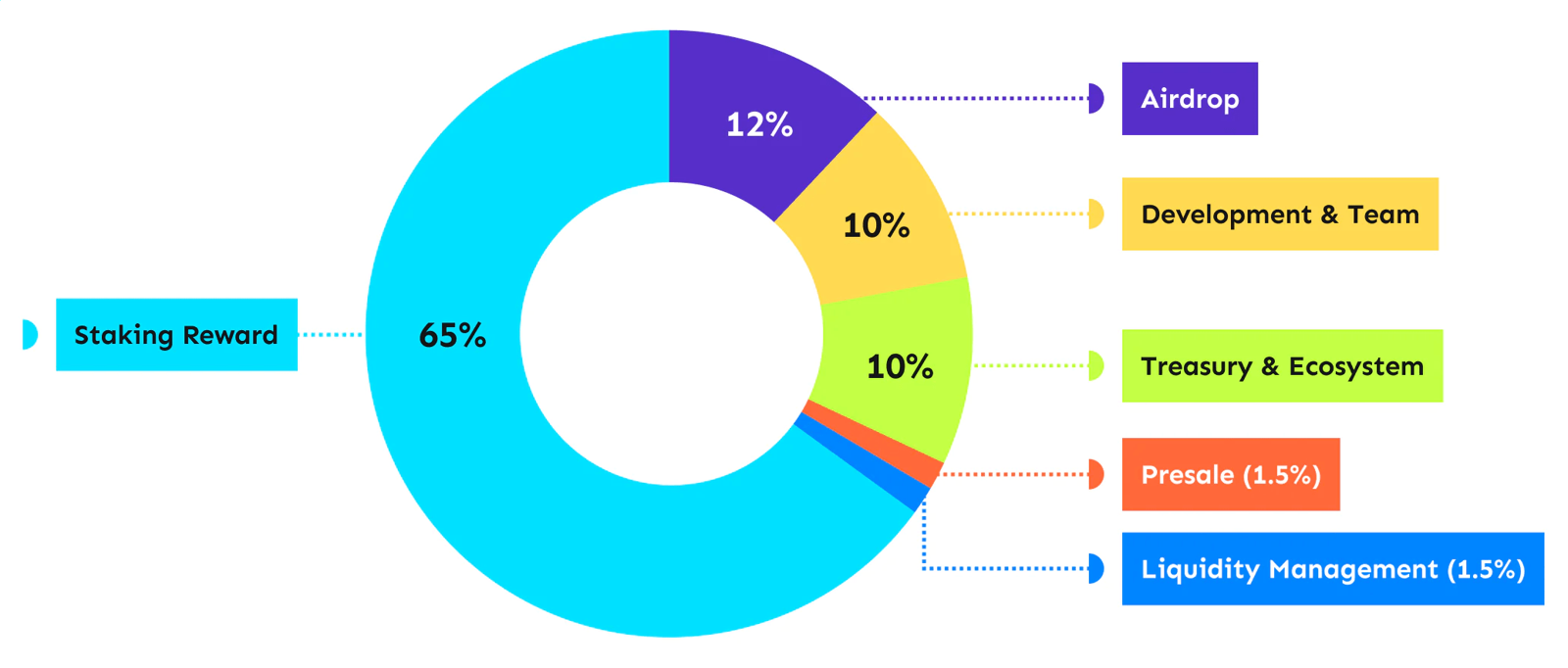
The X2Y2 token belonged to the marketplace era. When the team announced the shutdown, it directly acknowledged that closing the NFT venue would affect how holders understood the token's purpose and value. That was a candid point because marketplace tokens draw much of their narrative from trading volume, incentives, governance expectations, and user growth.
After a product sunset, the token's old utility story changes. Users evaluating it now look at the team's new direction, remaining token mechanics, exchange liquidity, and community communication rather than marketplace usage. The marketplace no longer supplies the same demand story it had during the NFT cycle, so treating the token as if nothing changed misreads the project's own announcement.
Where the team said it was going next
The shutdown note described a pivot into AI and crypto, with a focus on permissionless yield powered by AI. That language points away from collectible trading and toward a different product category altogether. It also shows that the team viewed the NFT marketplace as a completed chapter, not as a dormant interface waiting for volume to return.
For readers researching X2y2 marketplace today, that pivot is part of the context but not a replacement for the old product. The article you are reading is about the discontinued NFT marketplace: how it functioned, what remains on-chain, and what users should understand after the closure. Any future AI-related product needs to be evaluated on its own design, contracts, risk model, and actual release state.
Alternatives for NFT trading after the closure
Former users moved toward active NFT venues and aggregators with current liquidity. OpenSea remains a broad marketplace for Ethereum and other NFT ecosystems. Blur built a trader-focused experience around bids, collection floors, and fast execution. Magic Eden is widely associated with Solana NFTs and expanded across chains. Aggregator interfaces combine listings from multiple venues so buyers compare prices without opening every marketplace separately.
The right replacement depends on the collection and chain. A blue-chip Ethereum collection needs deep ETH liquidity and reliable offer flow. A Solana collectible trades where SOL-native users already search. Gaming assets and creator drops sometimes cluster around specialized marketplaces. The useful comparison is not nostalgia for X2y2 marketplace, but whether an active venue has real listings, recent sales, clear fees , and wallet support for the asset a user wants to move.
How to read old X2Y2 activity now
Past activity is best understood through wallet records and contract events. A sale shows the NFT leaving one wallet, payment entering another, and marketplace contracts facilitating the transfer. A canceled order, expired listing, or rejected offer leaves a different pattern. Block explorers, NFT portfolio tools, and tax software read those events from chain data rather than from the old marketplace pages.
This approach keeps the history usable even after the site experience is gone. It also helps buyers prove provenance, sellers reconstruct proceeds, and collectors understand how an asset reached their wallet. X2y2 marketplace belongs to a specific period in NFT trading history: a serious attempt to challenge incumbent venues, a large volume run during the boom, and a cleanly dated sunset when the economics no longer supported the same path.
What to know about X2y2 marketplace
Does the shutdown remove NFTs that were bought on X2Y2?
The shutdown does not remove NFTs from wallets. NFT ownership is recorded by the collection's own smart contract, not by a marketplace page. If a token was bought and settled correctly, the wallet still holds the token unless it was later transferred, sold, burned, or moved by another authorized action. Portfolio tools may display it differently, but the chain record controls ownership.
Which records matter for taxes after using the former marketplace?
The useful records are purchase transaction hashes, sale transaction hashes, dates, wallet addresses, NFT contract addresses, token IDs, proceeds, and gas fees. Marketplace pages are convenient, but tax reconstruction should rely on wallet history and chain events. Users who traded heavily need both NFT transfer data and payment-token movement, because a sale includes the asset leaving and value arriving.
Can a closed NFT marketplace still have live smart contracts?
Yes. A web application and a deployed smart contract are separate layers. The web application gives users buttons, search, collection pages, and order screens. A deployed contract stays on-chain unless it was built with specific controls that change its behavior. X2Y2 said its contracts would keep running, which means technical users can inspect or interact with them through blockchain tooling.
Why did traders compare X2Y2 with OpenSea and Blur?
They competed for the same NFT liquidity: listings, bids, collection floors, and high-volume traders. OpenSea had broad brand recognition and a large user base, while Blur became known for trader-oriented bidding and market views. X2Y2 entered that race during the NFT boom and reached major volume, but marketplace network effects favored venues where buyers and sellers concentrated after overall NFT demand contracted.